Protagonist of the 2027 NHK drama “Gyakuzoku no Bakushin”
Oguri Kōzukenosuke Tadamasa
小栗上野介忠順
1827 — 1868
A shogunal official who travelled around the world with the embassy to the United States, built the shipyard at Yokosuka, and founded the first joint-stock company in Japan. On the sixth day of the intercalary fourth month of 1868 — 27 May — he was beheaded on the bed of the Karasu River, with no hearing held.
Cutdowninthisplace,thoughhehaddonenowrong
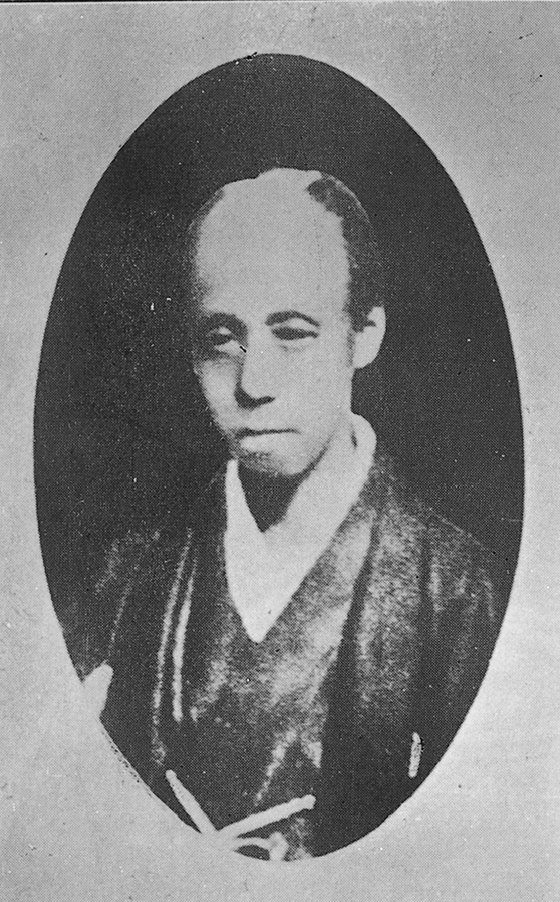
National Diet Library, “Portraits of Modern Japanese Historical Figures”
- 160years
the dock at Yokosuka,
still in service - 77men
in the embassy that
circled the globe - 4times
appointed
commissioner of finance - 0hearings
held before
he was beheaded
Introduction
What kind of man Oguri Kōzukenosuke was
Oguri Kōzukenosuke Tadamasa was an official of the Tokugawa shogunate in its last decade. He was born in 1827 at Surugadai in Edo, into a household of the hatamoto — direct retainers of the shogun — and held office in turn as inspector (metsuke), commissioner of foreign affairs, commissioner of finance and commissioner of warships. On the embassy to the United States of 1860 he went as inspector, and the party became the first Japanese to travel around the world.
In the eight years after his return, Oguri carried through one modernizing measure after another for the shogunate: the Yokosuka ironworks (later the Yokosuka shipyard), a Western-style army, the first joint-stock company in Japan, the Hyōgo Shōsha, a French-language school, and the working of iron mines. He also had plans for a postal service, a telegraph, gas lighting and railways.
Relieved of office in the first month of 1868, he moved to the village of Gonda in Gunma district, Kōzuke province — now Gonda in Kurabuchi, Takasaki — which was part of his fief. On the sixth day of the intercalary fourth month of that year, troops of the new imperial government beheaded him without a hearing at the riverbed at Mizunuma, on the Karasu River. The next day his adopted heir Matakichi and three others were beheaded at Takasaki.
Much of his work bore fruit only after 1868. Ōkuma Shigenobu is said to have remarked that the modernization of the Meiji era was little more than a copy of what Oguri had designed, and Tōgō Heihachirō thanked his family in person, crediting the victory at Tsushima to the shipyard at Yokosuka.
“Traitor” is a name that was attached to him after he was killed. He was not killed because he was a traitor. The course of events is set out day by day in the chronology for 1868.
To read the life and the works straight through, see Who Oguri Kōzukenosuke was — his life, his works, and why he was beheaded. On the 2027 NHK drama “Gyakuzoku no Bakushin” (The Traitor Retainer), see this page.
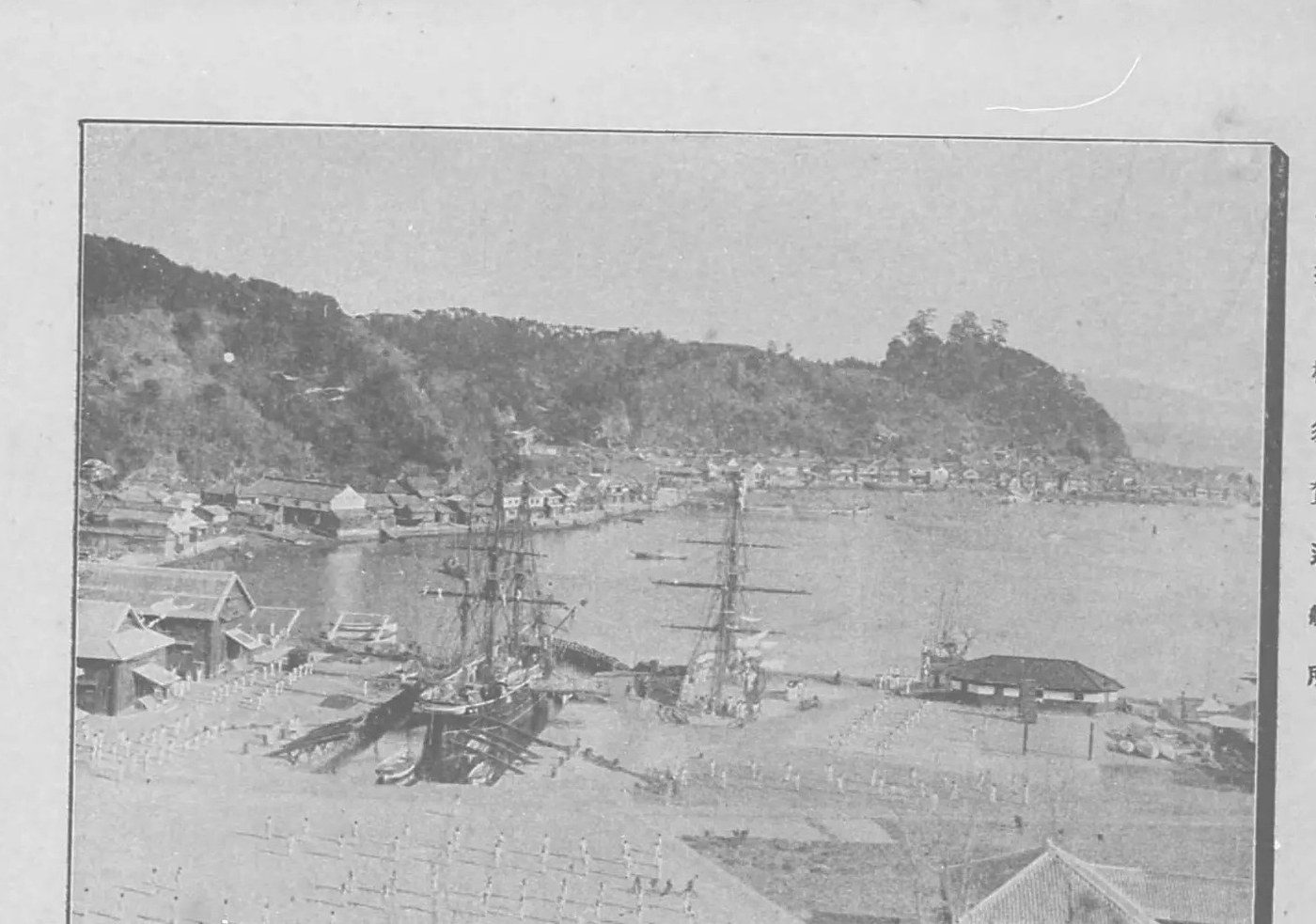
Where to begin
Where to start reading
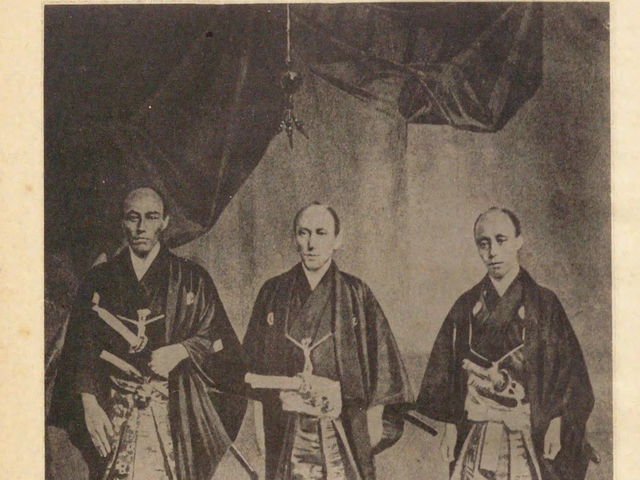
Chronology
From his boyhood to his death at the riverbed at Mizunuma, and on to the commemoration that followed from the Meiji era. Followed day by day.
59 articles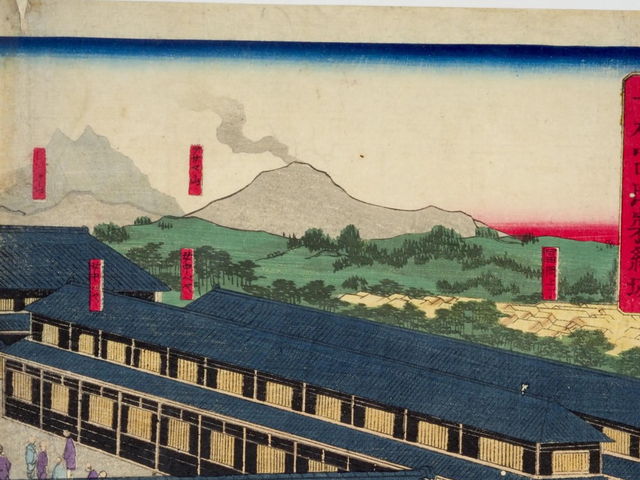
His works
The Yokosuka ironworks; the first joint-stock company in Japan. What he left behind in eight years.
27 articles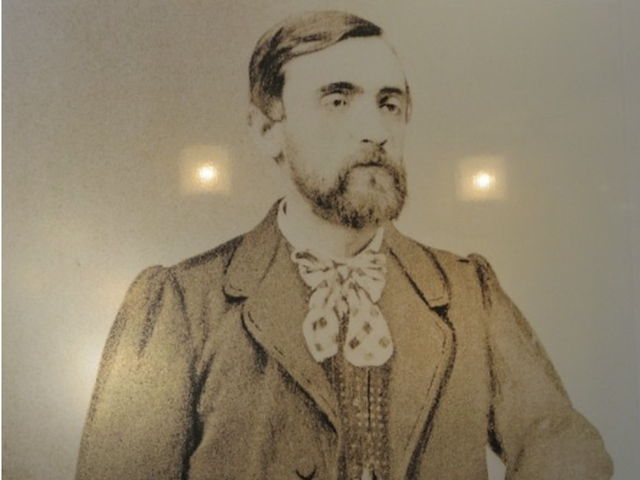
The people around him
Kurimoto Joun, Katsu Kaishū, Léonce Verny, and the villagers of Gonda. The lives of the people around Oguri.
11 articles
The places
Tōzenji, the riverbed at Mizunuma, Kannonyama, Yokosuka. For visiting them.
Gunma, Yokosuka, TokyoMore
Other ways in
For lighter reading, try odds and ends: the buried-treasure legend, the eighty years the diary lay unread, Oguri in fiction, and other matters that would not fit into the chronology or the account of his works.
For readers who want to go further, there are the books to read and how to find the primary sources, and links to reliable sites. Counting the chronology, his works, the people around him and the shorter pieces, this site carries more than a hundred and forty articles.
Most-read articles
Who Oguri Kōzukenosuke was — his life, his works, and why he was beheaded
For a first visit. One article takes the life straight through. Frequently asked questions are here too.
The drama “Gyakuzoku no Bakushin” and the history
He is the central figure of the 2027 NHK taiga drama. What “traitor” was, set out from the sources.
The end at the riverbed at Mizunuma — a beheading without an examination
What happened on the sixth day of the intercalary fourth month of 1868. The circular ordering his arrest, and the course of events up to the execution.
The Yokosuka ironworks — the dock that is still working
Two million four hundred thousand dollars to build, over four years. A great undertaking begun by a shogunate on the point of falling.
The oldest dock in Japan still in service
Built in the 1860s and still in use a hundred and sixty years on.
The Hyōgo Shōsha — the first joint-stock company in Japan
A jointly funded trading company set up in 1867, the year power was returned to the emperor. From the text of the proposal.
The embassy to the United States — the first Japanese to go round the world
1860, a party of seventy-seven in all. What Oguri, who went as inspector, brought home.
The Tsushima incident — negotiating with a Russian warship
1861: a commissioner of foreign affairs of thirty-four facing, unarmed, a warship that had sat down at Imozaki.
Is the legend of treasure buried on Mount Akagi true?
There is no record supporting it as history. Why, then, did the story arise?
The Oguri household accounts, the Ryōnyū Seishutsu Bo
An important cultural property of Gunma Prefecture, in which the life of a hatamoto of 2,500 koku can be followed down to the mon.
Did Oguri Kōzukenosuke have a concubine?
The “Oaya” who appears every month in the accounts, and the “Outa” seen at the village of Gonda.
The sixty-four days at the village of Gonda
His last days: bringing in water, building a house, planning a school, driving off the gamblers.
Katsu Kaishū — a fellow of the sword, and his greatest political opponent
Two men who learned in the same line of masters and parted over submission and fighting on. Judgements of them are still divided.
-
An engineer trained at the École Polytechnique. Invited before he was thirty, he gave eleven years to Yokosuka.
Kuniko, the daughter born at Aizu
An only daughter, born six weeks after her father's death, who took a husband into the house and carried the Oguri on.
The “grave of the generations of the house of Oguri” at Zōshigaya cemetery
The grave raised in 1912 by Oguri Sadao, Kuniko's husband. The inscription has been read character by character.
Ninagawa Arata and “cut down in this place, though he had done no wrong”
The book that was the starting point of his rehabilitation, and the stone that stands where he was executed.
-
Tōzenji, the riverbed at Mizunuma and Kannonyama in Kurabuchi, Takasaki; Yokosuka; Tokyo.
How to find the primary sources
What volume 7 of the Gunma Prefecture Historical Materials, the Oguri Nikki, contains, and where the material is held.
The list of articles (all pages)
A page setting out every article on this site.
About this site
About this site
Anyone setting out to read about Oguri Kōzukenosuke runs into the same difficulty: the material is scattered across temples, municipal offices, libraries and digital archives, and it is hard to tell where to begin. This site is an index that gathers in one place the facts that can be checked and the whereabouts of the sources.
The memorial work itself has been carried on for many years by Tōzenji, the temple that holds the family graves, by the Oguri Kōzukenosuke memorial society, and by the cities of Takasaki and Yokosuka. This site does not stand in for them; it is meant as a guide that brings the reader to them.
The NHK drama for 2027 is to be “Gyakuzoku no Bakushin”, with Oguri Kōzukenosuke Tadamasa as its central figure, played by Matsuzaka Tōri. More people are likely to start reading about Oguri from now on, and this site sets out where the sources are, so that it can serve as a first place to look.